





Kansas City sits at the crossroads of extreme temperature swings that punish heating and cooling equipment year-round. Summer heat regularly climbs above 95 degrees with suffocating humidity rolling up from the Gulf, forcing air conditioners to run nonstop for weeks. Winter temperatures plunge to single digits with wind chill factors well below zero, pushing furnaces to their limits. Spring and fall bring rapid temperature shifts of 40 degrees in 24 hours, cycling systems on and off repeatedly.
This climate brutality means your HVAC equipment experiences more wear in five years than systems in moderate climates see in ten. The freeze-thaw cycles common from November through March cause expansion and contraction in ductwork and refrigerant lines. High summer humidity breeds mold in drain lines and evaporator coils. Clay soil beneath homes shifts with moisture changes, stressing duct connections in crawl spaces and basements throughout Brookside, Waldo, and Prairie Village.
Add in the region's cottonwood trees, oak pollen, and agricultural dust blowing in from surrounding farmland, and you understand why air filters clog faster here. Systems in neighborhoods near the Missouri River face additional moisture challenges. Your HVAC equipment works harder in Kansas City than almost anywhere in the country.
United HVAC Kansas City built our reputation responding to emergency calls other companies ignored. When a furnace quits at 2 AM in January or an air conditioner fails during a heat advisory, we dispatch immediately with technicians who carry the parts that actually fail in Kansas City climate conditions.
We stock compressors, blower motors, ignitors, capacitors, and thermostats that match the equipment brands installed in homes throughout the metro. Our trucks carry refrigerant in the weights your system needs, not whatever happens to be on sale. This preparation means we fix your system on the first visit instead of making you wait days for parts while you suffer through temperature extremes.
Our technicians train specifically on diagnosing problems accurately instead of selling you equipment replacements you don't need. We explain what failed, why it failed, and what it costs to fix before we start work. You approve the price before we touch your system. No surprise charges when the work finishes.
We maintain relationships with equipment manufacturers that get us technical support when your system presents an unusual problem. If your furnace has a factory defect or your air conditioner needs a specialized part, we work directly with manufacturer reps to get answers and components fast. Independent contractors can't make those calls.
Kansas City families call us back year after year because we show up when we say we will, fix problems correctly, and charge what we quoted. We've built this company on second and third calls from satisfied customers, not aggressive marketing to first-time victims.

When your heating or cooling system fails at night or on weekends, you reach a real dispatcher who sends a technician immediately. We answer calls every day of the year including holidays because HVAC emergencies follow no schedule. Your family shouldn't suffer through dangerous temperatures waiting for Monday morning.

Our technicians carry the parts that commonly fail in Kansas City climate conditions. Capacitors, contactors, thermostats, ignitors, flame sensors, and blower motors sit in organized truck inventory. We complete most repairs on the first visit instead of ordering parts and rescheduling while your system stays broken for days.
We diagnose the actual problem with your system instead of pushing equipment replacement on the first service call. You get a clear explanation of what failed, why it failed, and what repair costs before work begins. If your system genuinely needs replacement, we explain why repair no longer makes financial sense.
We understand how extreme temperature swings, high humidity, and clay soil movement affect HVAC systems in different Kansas City neighborhoods. Equipment in older homes near Westport faces different challenges than systems in newer construction in Lee's Summit. We tailor solutions to your specific situation instead of applying generic fixes.
United HVAC Kansas City handles every aspect of residential heating and cooling from emergency repairs to complete system replacement. We service all equipment brands and fuel types including natural gas furnaces, electric heat pumps, central air conditioning, ductless mini-splits, and hybrid systems. Our technicians diagnose problems with thermostats, ductwork, air handlers, condensing units, and ventilation systems.
We separate our services into three categories based on urgency and scope. Emergency repairs address systems that quit working and need immediate attention. Maintenance and tune-ups prevent breakdowns through scheduled inspections and cleaning. System replacement and installation covers situations where your equipment reached the end of its useful life or you need upgraded capacity for additions or renovations.
Each service category requires different expertise and equipment. Emergency repairs demand fast diagnosis and parts availability. Maintenance requires methodical inspection protocols and cleaning tools. System installation needs load calculations, ductwork assessment, and permitting knowledge. We train our teams specifically for each type of work instead of sending generalists who dabble in everything.
When your furnace or air conditioner stops working, you need service immediately. We dispatch technicians day or night to diagnose failed components like compressors, blower motors, ignitors, capacitors, and control boards. Our trucks carry common replacement parts to complete repairs on the first visit. We handle refrigerant leaks, electrical failures, thermostat problems, and mechanical breakdowns across all equipment brands. Emergency repairs restore your comfort fast when Kansas City weather turns dangerous.
Regular maintenance prevents emergency breakdowns by catching small problems before they destroy expensive components. Our tune-ups include cleaning coils, checking refrigerant levels, testing electrical connections, lubricating motors, inspecting heat exchangers, and calibrating thermostats. We clean drain lines that breed mold in Kansas City humidity and replace filters clogged with cottonwood debris. Scheduled maintenance extends equipment life and keeps your system running efficiently through temperature extremes that stress poorly maintained units.
When repair costs exceed replacement value or your equipment can't keep up with Kansas City temperature extremes, we install new systems sized correctly for your home. We calculate heating and cooling loads based on insulation, windows, orientation, and occupancy instead of guessing capacity. Our installations include ductwork modification if needed, proper refrigerant charging, thermostat upgrades, and permit coordination. We install energy-efficient systems that reduce utility bills while maintaining comfort through summer heat and winter cold.
Kansas City's extreme climate and geographic characteristics create specific HVAC problems that homeowners throughout the metro encounter repeatedly. The combination of temperature swings, high humidity, clay soil movement, and airborne debris stresses heating and cooling systems in ways that differ from moderate climates. Understanding these common issues helps you recognize problems early before small failures cascade into expensive emergencies.
Equipment installed in older neighborhoods like Brookside and Westport faces different challenges than systems in newer construction in Lee's Summit or Blue Springs. Homes near the Missouri River deal with additional moisture concerns. Ranch homes with crawl spaces experience different ductwork problems than two-story homes with attics. The following issues appear across all home types and ages, but manifest differently based on your specific situation and equipment age.
Your air conditioner runs constantly but the house stays hot, or you notice ice forming on refrigerant lines. Restricted airflow from clogged filters, dirty coils, or failing blower motors causes evaporator coils to freeze. Kansas City's cottonwood trees and agricultural dust clog filters faster than in other regions. Frozen coils block airflow completely and can damage compressors if not addressed quickly.
Your furnace cycles on but won't ignite, or you hear clicking without heat. Ignitors crack from repeated thermal stress, flame sensors corrode from combustion byproducts, and gas valves fail from constant cycling during Kansas City's temperature swings. These components wear faster here because your furnace runs more heating cycles in a typical winter than furnaces in southern climates experience.
Rooms stay hot or cold regardless of thermostat setting, or you notice higher utility bills without explanation. Clay soil beneath Kansas City homes expands and contracts with moisture changes, shifting foundation supports and stressing ductwork connections. Flexible duct separates from boots, metal duct joints pull apart, and insulation compression reduces airflow. Disconnected ducts dump conditioned air into crawl spaces instead of living areas.
Your air conditioner won't start, makes a humming noise, or trips the circuit breaker repeatedly. Capacitors store electrical charge to start compressors and fan motors but fail from voltage fluctuations during Kansas City thunderstorms. Summer storms create power surges that degrade capacitors over time until they can't deliver starting power. Failed capacitors leave you without cooling during the hottest weather.
When your heating or cooling system fails, you need clear information about what happens next. United HVAC Kansas City follows a structured service process that prioritizes fast response, accurate diagnosis, and transparent pricing. You speak with a real dispatcher who assesses your situation, schedules appropriate service, and sets realistic expectations about arrival time and potential costs.
Emergency calls get immediate dispatch. Non-emergency service requests schedule within 24 hours for most situations. Our technicians call 30 minutes before arrival so you're not stuck waiting at home all day. They arrive in marked trucks with visible company identification and carry proper licensing documentation if you want to verify credentials. The following outlines what happens during and after the service call.
Our technician inspects your system thoroughly before diagnosing the problem. They explain what tests they're running and why each test matters. Once they identify the failure, you get a clear explanation of what broke, why it broke, and whether related components need attention. We show you the failed part when possible and explain if the problem resulted from normal wear, installation defects, or maintenance neglect. You understand the situation completely before we discuss repair options.
After diagnosing your system, the technician provides exact pricing for the repair including parts and labor. You see the cost breakdown and approve the work before we start. If your system needs multiple repairs, we prioritize them by urgency and explain which fixes are critical versus which can wait. You make informed decisions about your investment without pressure tactics or artificial urgency. The price we quote is the price you pay when the work finishes.
Once you approve the repair, our technician completes the work methodically and tests the system thoroughly before leaving. For air conditioning repairs, we verify refrigerant pressures, airflow volumes, and temperature drops across coils. For heating repairs, we test ignition sequences, flame patterns, and safety controls. You see your system running correctly before we close the service ticket. All repairs include warranty coverage on parts and labor with clear terms explained before we leave.
We eliminate confusion from HVAC service by following a clear three-step process that moves from initial contact through completed repair efficiently. This structure ensures nothing gets missed and you stay informed throughout the service call.
Call (816) 473-9177 to reach our dispatch team. We ask specific questions about your system and symptoms to send the right technician with appropriate equipment. Emergency calls get immediate dispatch. Scheduled service books within 24 hours for most situations. You receive confirmation of your appointment window and technician contact information. Our technician calls 30 minutes before arrival so you're not waiting unnecessarily.
Our technician inspects your system, runs diagnostic tests, and identifies the failure. They explain the problem clearly, show you the failed component when possible, and provide exact repair pricing before starting work. You approve both the repair approach and the cost. If multiple issues exist, we prioritize repairs by urgency and let you decide which to complete now versus schedule later based on your budget.
After you approve the repair, our technician completes the work and tests system performance thoroughly. We verify your heating or cooling system operates correctly, explain any maintenance recommendations to prevent future problems, and review warranty coverage on the repair. You receive documentation of the work completed and parts installed. Payment processes after you confirm your system works properly.
Professional HVAC installation and repair in Kansas City requires adherence to multiple code standards and technical protocols that protect safety and ensure system performance. The International Mechanical Code adopted by Kansas City sets minimum requirements for equipment installation, ventilation rates, combustion air supply, and exhaust venting. Missouri state amendments add specific requirements for gas piping, electrical connections, and refrigerant handling.
All HVAC work requires proper permitting through the Kansas City codes administration. Furnace replacement needs mechanical and electrical permits. Air conditioning installation requires mechanical permits and refrigerant handling certification under EPA Section 608 regulations. Ductwork modifications trigger permits if they affect structural members or fire-rated assemblies. Permit inspections verify installations meet code requirements before equipment operates.
Refrigerant charging follows manufacturer specifications and AHRI Standard 210/240 protocols for measuring airflow, superheat, and subcooling. Undercharged systems freeze coils and damage compressors. Overcharged systems run inefficiently and create high head pressures that shorten equipment life. Proper charging requires accurate manifold gauges, digital thermometers, and knowledge of how Kansas City's humidity affects psychrometric calculations.
Combustion safety testing on gas furnaces verifies adequate combustion air supply, proper venting, and absence of carbon monoxide spillage. We test draft pressure, measure flue gas composition, and verify heat exchanger integrity on every furnace service call. Cracked heat exchangers allow combustion gases into living spaces and create life-threatening carbon monoxide exposure. Visual inspection alone misses hairline cracks that only reveal under temperature stress.
Load calculations for system replacement use ACCA Manual J methodology accounting for insulation values, window areas, orientation, infiltration rates, and occupancy patterns specific to your home. Oversized equipment short-cycles and fails to dehumidify properly. Undersized equipment runs constantly without maintaining comfort during temperature extremes. Proper sizing requires room-by-room calculations, not rules of thumb based on square footage alone.
Kansas City requires mechanical permits for HVAC equipment replacement and major repairs. Installations must meet International Mechanical Code requirements for clearances, venting, combustion air, and electrical connections. Permitted work includes inspection verification before equipment operates. Unpermitted installations risk failed home sales inspections and insurance claim denials if equipment causes damage. Professional contractors pull permits and schedule required inspections as part of installation service.
Repair costs vary based on failed component type, equipment accessibility, refrigerant requirements, and labor complexity. Compressor replacement costs more than capacitor replacement because of refrigerant recovery, vacuum procedures, and charging protocols. Equipment in tight attics or crawl spaces increases labor time. Older systems using R-22 refrigerant cost more to service than newer systems using R-410A because of refrigerant scarcity and EPA regulations.
Most repairs complete in two to four hours including diagnosis, part replacement, and system testing. Complex repairs requiring refrigerant recovery or electrical troubleshooting take longer. System replacement typically requires one to two days depending on equipment location, ductwork modifications, and permit inspection scheduling. Emergency repairs prioritize restoring heat or cooling quickly even if additional work is recommended later.
EPA Section 608 certification is required by federal law for any technician handling refrigerants. NATE certification indicates advanced technical training in installation, service, and efficiency. Manufacturer-specific training provides expertise on particular equipment brands. Kansas City requires business licensing and insurance coverage for HVAC contractors. These certifications and requirements separate professional contractors from unlicensed handymen who lack proper training and legal authority to perform HVAC work.
United HVAC Kansas City explains common heating and cooling problems caused by Kansas City's extreme temperature swings, high humidity, and clay soil movement. This video covers emergency HVAC repair services including frozen air conditioning coils, furnace ignition failures, ductwork disconnections, and capacitor problems from storm damage. Viewers learn how to identify legitimate HVAC issues, understand repair costs, and select qualified contractors for heating and air conditioning service in the Kansas City metro area.
United HVAC Kansas City serves residential customers throughout the Kansas City metro area from our central location that allows rapid response to both Missouri and Kansas sides. We dispatch service trucks daily to neighborhoods including Brookside, Waldo, Westport, Hyde Park, and the Northland communities north of the Missouri River. Our technicians know these established neighborhoods where older homes present unique challenges like undersized ductwork, outdated electrical panels, and equipment in cramped spaces.
South of the metro, we serve families in Lee's Summit, Blue Springs, and Grandview where newer construction often includes builder-grade HVAC equipment that needs upgrading after a few years. These subdivisions feature larger homes with complex zoning requirements and two-story layouts that create airflow balancing challenges. West into Johnson County Kansas, we maintain regular service routes through Overland Park, Leawood, and Shawnee where HOA regulations sometimes affect equipment placement and outdoor unit screening requirements.
The urban core around Country Club Plaza and midtown requires different service approaches than suburban areas. Older apartment buildings and converted homes need creative solutions for adding air conditioning where ductwork doesn't exist. Equipment must fit into mechanical rooms sized for smaller systems from decades past. Parking limitations mean our technicians sometimes hand-carry equipment and parts several blocks from truck to building.
North Kansas City and Gladstone present industrial crossover areas where residential properties sit near commercial zones. These neighborhoods deal with air quality concerns from nearby manufacturing and need enhanced filtration beyond standard residential systems. Properties near the Missouri River bottomlands face humidity challenges year-round that accelerate mold growth in ductwork and drain pans.
East into Independence and Raytown, we serve communities built primarily in the 1950s through 1970s where original heating systems are being replaced and central air conditioning gets added to homes that previously relied on window units. These additions require careful load calculations and ductwork design to work within existing home layouts without extensive remodeling. Clay soil throughout the metro causes foundation movement that stresses ductwork connections, but the problem intensifies in older neighborhoods where settling continues decades after construction.
We understand how equipment performs differently across Kansas City's diverse geography and housing stock. Temperature variations between downtown urban heat islands and suburban open spaces affect system sizing. Equipment that works fine in a shaded Brookside bungalow might be undersized for an exposed ranch home in Blue Springs. Our experience across the entire metro lets us tailor solutions to your specific location and home characteristics.
The $5000 rule is a repair-versus-replace guideline. Multiply your system's age by the repair cost. If the result exceeds $5000, replace the unit instead of fixing it. For example, a 12-year-old system needing $500 in repairs equals $6000, signaling replacement makes more financial sense. This rule helps Kansas City homeowners avoid pouring money into aging equipment that will fail again soon. Given our extreme temperature swings and high humidity, older systems work harder and break down more often, making timely replacement smarter than repeated repairs.
A complete HVAC system in Kansas City ranges from several thousand to over ten thousand dollars, depending on home size, efficiency rating, and ductwork condition. Our humid summers and cold winters demand systems that handle moisture control and heating capacity. Factors affecting price include SEER rating, brand, tonnage needed for proper cooling, and whether your existing ductwork needs modification. Homes in older Kansas City neighborhoods often require ductwork updates, which increases total project cost. Get multiple quotes and compare equipment specs, not just price tags.
Replacing HVAC for a 2000 square foot house typically requires a 3-ton to 4-ton system. Total cost depends on efficiency level, brand, and installation complexity. Kansas City homes need systems that handle our 90-degree summers with high humidity and winter temps below freezing. If your ductwork is outdated or improperly sized, you will pay more for modifications. Two-story homes cost more to condition than ranch styles. Choose a SEER rating appropriate for our climate to balance upfront cost with long-term energy savings.
The $5000 rule is a repair-versus-replace guideline. Multiply your system's age by the repair cost. If the result exceeds $5000, replace the unit instead of fixing it. For example, a 12-year-old system needing $500 in repairs equals $6000, signaling replacement makes more financial sense. This rule helps Kansas City homeowners avoid pouring money into aging equipment that will fail again soon. Given our extreme temperature swings and high humidity, older systems work harder and break down more often, making timely replacement smarter than repeated repairs.
A complete HVAC system in Kansas City ranges from several thousand to over ten thousand dollars, depending on home size, efficiency rating, and ductwork condition. Our humid summers and cold winters demand systems that handle moisture control and heating capacity. Factors affecting price include SEER rating, brand, tonnage needed for proper cooling, and whether your existing ductwork needs modification. Homes in older Kansas City neighborhoods often require ductwork updates, which increases total project cost. Get multiple quotes and compare equipment specs, not just price tags.
Replacing HVAC for a 2000 square foot house typically requires a 3-ton to 4-ton system. Total cost depends on efficiency level, brand, and installation complexity. Kansas City homes need systems that handle our 90-degree summers with high humidity and winter temps below freezing. If your ductwork is outdated or improperly sized, you will pay more for modifications. Two-story homes cost more to condition than ranch styles. Choose a SEER rating appropriate for our climate to balance upfront cost with long-term energy savings.
The 3-minute rule protects your compressor from damage. After your AC shuts off, wait at least three minutes before restarting it. This allows refrigerant pressure to equalize throughout the system. Restarting too quickly forces the compressor to work against high pressure, which shortens its lifespan and can cause failure. In Kansas City's hot summers, homeowners sometimes fiddle with thermostats out of frustration. Resist that urge. If your system short-cycles or trips breakers, call a technician. Compressor replacement costs thousands, making patience worth it.
Complete HVAC system replacement costs vary widely based on home size, equipment efficiency, and installation complexity. You are paying for the outdoor condenser, indoor air handler or furnace, refrigerant lines, thermostat, and labor. Kansas City's climate requires systems that handle extreme heat, humidity, and freezing winters, which affects equipment selection. Older homes may need ductwork repair or replacement, adding to the total. Higher SEER ratings cost more upfront but reduce utility bills. Factor in removal of old equipment and any necessary electrical upgrades when budgeting.
The federal Energy Efficient Home Improvement Credit allows deductions for qualifying HVAC equipment installed in 2025. Systems must meet specific efficiency requirements, including SEER2 and EER ratings. You can claim a percentage of costs up to a certain cap. Kansas City homeowners should verify equipment qualifies before purchasing. Keep all receipts and manufacturer certification statements for tax filing. Consult a tax professional for your specific situation, as rules change and income limits may apply. High-efficiency systems cost more upfront but deliver tax benefits plus lower monthly utility bills.
HVAC systems last 15 to 20 years with proper maintenance. Kansas City's extreme weather stresses equipment, sometimes shortening lifespan. Furnaces often outlast air conditioners because they run fewer months per year. Systems that run constantly during our humid summers and cold winters wear out faster than equipment in milder climates. Skipping annual maintenance accelerates deterioration. Dirty filters force systems to work harder. If your unit is over 15 years old and needs frequent repairs, replacement makes more sense than continued fixes.
HVAC replacement costs reflect complex equipment and skilled labor. You are buying a sophisticated system with compressors, heat exchangers, refrigerant lines, and controls that must work together perfectly. Installation requires licensed technicians who understand refrigerant handling, electrical connections, ductwork sizing, and local building codes. Kansas City's climate demands systems that handle extreme heat, cold, and humidity, which requires robust components. Material costs, supply chain issues, and rising labor rates all contribute. Proper sizing and installation prevent callbacks and ensure efficiency, justifying the investment.
Installing AC in a 1500 square foot house requires a 2-ton to 2.5-ton system. Total cost depends on whether you have existing ductwork or need a ductless mini-split system. Kansas City homes without ducts face higher installation costs because you need either new ductwork or multiple indoor units. Factors include insulation quality, window count, and sun exposure. Homes in older Kansas City neighborhoods often lack ducts, making ductless systems attractive. Efficiency ratings affect price, higher SEER units cost more but reduce summer cooling bills.
HVAC costs in 2025 continue rising due to regulatory changes, material expenses, and labor shortages. New efficiency standards require more advanced equipment with higher SEER2 ratings, increasing base prices. Refrigerant regulations phase out older types, affecting replacement part availability and costs. Kansas City homeowners should budget more than previous years for system replacement. Supply chain improvements may stabilize some costs, but skilled labor remains expensive. Focus on value over lowest price. Quality installation matters more than saving a few hundred dollars upfront.
The 3-minute rule protects your compressor from damage. After your AC shuts off, wait at least three minutes before restarting it. This allows refrigerant pressure to equalize throughout the system. Restarting too quickly forces the compressor to work against high pressure, which shortens its lifespan and can cause failure. In Kansas City's hot summers, homeowners sometimes fiddle with thermostats out of frustration. Resist that urge. If your system short-cycles or trips breakers, call a technician. Compressor replacement costs thousands, making patience worth it.
Complete HVAC system replacement costs vary widely based on home size, equipment efficiency, and installation complexity. You are paying for the outdoor condenser, indoor air handler or furnace, refrigerant lines, thermostat, and labor. Kansas City's climate requires systems that handle extreme heat, humidity, and freezing winters, which affects equipment selection. Older homes may need ductwork repair or replacement, adding to the total. Higher SEER ratings cost more upfront but reduce utility bills. Factor in removal of old equipment and any necessary electrical upgrades when budgeting.
The federal Energy Efficient Home Improvement Credit allows deductions for qualifying HVAC equipment installed in 2025. Systems must meet specific efficiency requirements, including SEER2 and EER ratings. You can claim a percentage of costs up to a certain cap. Kansas City homeowners should verify equipment qualifies before purchasing. Keep all receipts and manufacturer certification statements for tax filing. Consult a tax professional for your specific situation, as rules change and income limits may apply. High-efficiency systems cost more upfront but deliver tax benefits plus lower monthly utility bills.
HVAC systems last 15 to 20 years with proper maintenance. Kansas City's extreme weather stresses equipment, sometimes shortening lifespan. Furnaces often outlast air conditioners because they run fewer months per year. Systems that run constantly during our humid summers and cold winters wear out faster than equipment in milder climates. Skipping annual maintenance accelerates deterioration. Dirty filters force systems to work harder. If your unit is over 15 years old and needs frequent repairs, replacement makes more sense than continued fixes.
HVAC replacement costs reflect complex equipment and skilled labor. You are buying a sophisticated system with compressors, heat exchangers, refrigerant lines, and controls that must work together perfectly. Installation requires licensed technicians who understand refrigerant handling, electrical connections, ductwork sizing, and local building codes. Kansas City's climate demands systems that handle extreme heat, cold, and humidity, which requires robust components. Material costs, supply chain issues, and rising labor rates all contribute. Proper sizing and installation prevent callbacks and ensure efficiency, justifying the investment.
Installing AC in a 1500 square foot house requires a 2-ton to 2.5-ton system. Total cost depends on whether you have existing ductwork or need a ductless mini-split system. Kansas City homes without ducts face higher installation costs because you need either new ductwork or multiple indoor units. Factors include insulation quality, window count, and sun exposure. Homes in older Kansas City neighborhoods often lack ducts, making ductless systems attractive. Efficiency ratings affect price, higher SEER units cost more but reduce summer cooling bills.
HVAC costs in 2025 continue rising due to regulatory changes, material expenses, and labor shortages. New efficiency standards require more advanced equipment with higher SEER2 ratings, increasing base prices. Refrigerant regulations phase out older types, affecting replacement part availability and costs. Kansas City homeowners should budget more than previous years for system replacement. Supply chain improvements may stabilize some costs, but skilled labor remains expensive. Focus on value over lowest price. Quality installation matters more than saving a few hundred dollars upfront.
View our service area and business location on the map below. We are proud to serve the entire Kansas City metro area, providing expert heating and cooling services to both residential and commercial clients. If you need a reliable HVAC partner, we are conveniently located to respond quickly to your needs, ensuring your indoor comfort is always our top priority.
Address:
Kansas City, MO, 64105
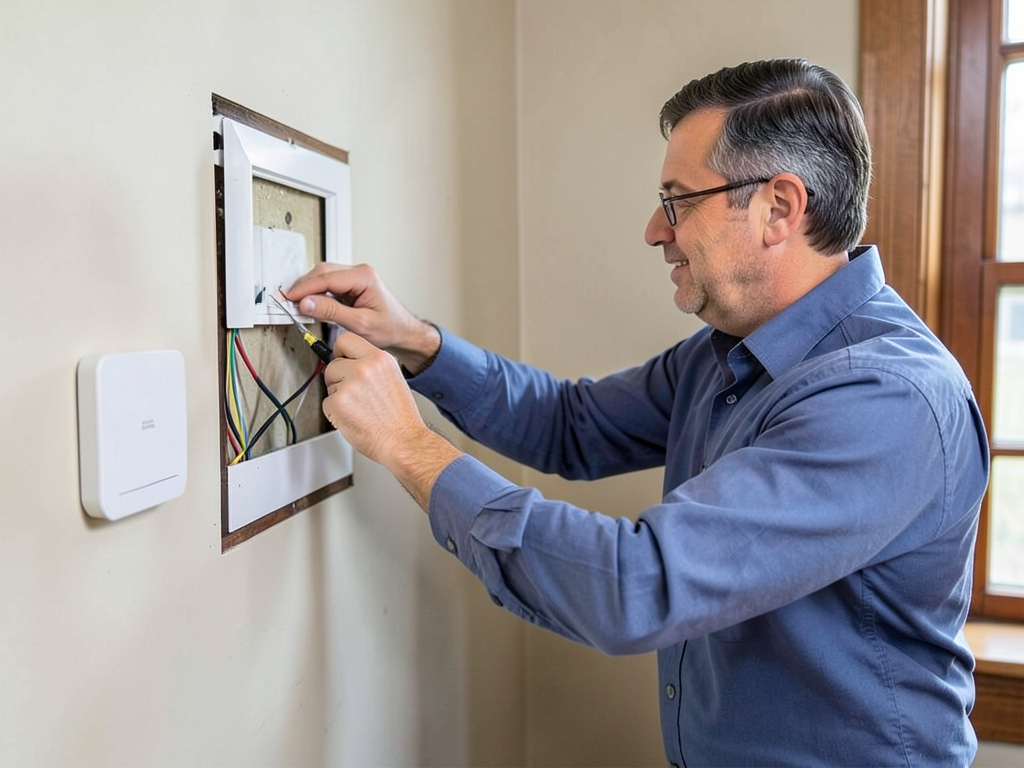
Can You Use a Nest Thermostat with an Older Two Wire System in Historic Northeast? Yes you can install a Nest thermostat in your Historic Northeast Kansas City home with older two-wire wiring but you…

Essential HVAC Safety Tips for Families with Toddlers and Crawling Babies in Lenexa\n\nDoes your crawling…
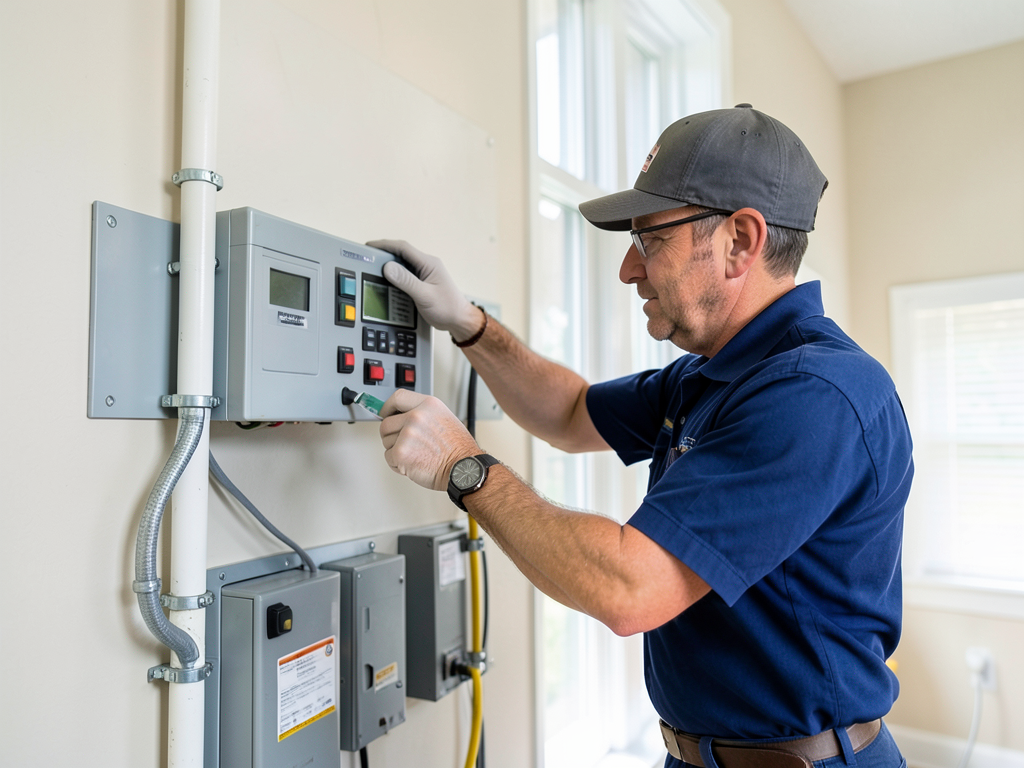
Your Olathe two-story home was built for comfort, but your master bedroom still feels like…
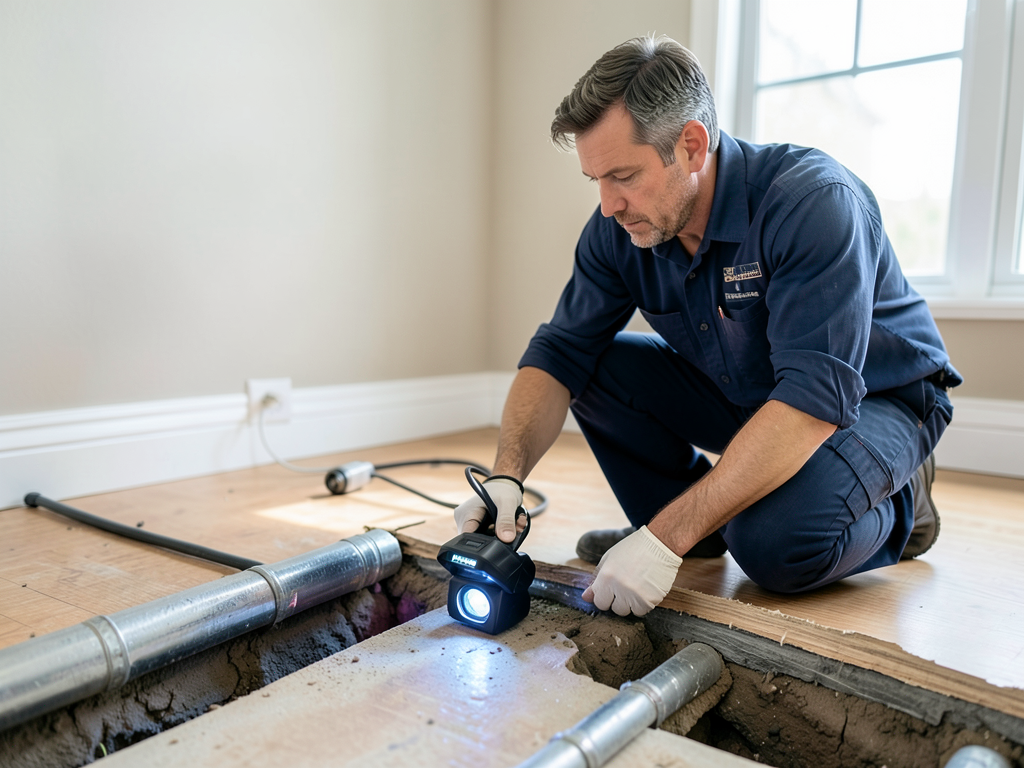
How Shifting Kansas City Clay Soil Can Actually Damage Your Underground Ductwork Kansas City’s expansive…
Don't suffer through another day without heating or cooling. Call United HVAC Kansas City at (816) 473-9177 right now for fast diagnosis and honest repair. We dispatch immediately for emergencies and schedule most service calls within 24 hours. Your comfort matters, and we fix systems right the first time.